
If you’ve never heard of Salvador de Bahía, Brazil, it’s a place where the sun shines bright, the people are warm, and the rhythm of life is infectious. It is a city of vibrant colors, where the buildings are painted in hues that would make a rainbow jealous. It is a place where the old and the new intertwine, where the echoes of a complex history resonate through its cobblestone streets and bustling markets. Salvador is a city that deserves its very own travel guide.
Imagine, if you will, a city that dances to the rhythm of a thousand drums, where the music is infectious. The food is a delicious mix of African, European, and indigenous flavors, a culinary adventure that tantalizes the taste buds.
It’s a city that embraces its history, both the good and the bad, where the echoes of the past can still be heard in the laughter of children and the domino games of the elders. Salvador is a city that lives and breathes, a place where the sounds of samba fill the air and where life is celebrated with a passion that burns like a thousand suns.
I would recommend spending at least two full days in Salvador if you can. Read on for my complete Salvador de Bahía travel guide.
Here’s my Google Map of the best things to do in and around Salvador. Hit the “Follow” or “Save” button to save for later.
This post contains affiliate links and I may earn a small commission when you make a purchase using the links at no additional cost to you.
If this is your first stop in Brazil, read my 13 tips for planning a trip to Brazil.
- What to Expect
- What to See and Do in Salvador
- Getting to Salvador
- Getting Around Salvador
- Where to Stay in Salvador
- Where to Eat in Salvador
What to Expect
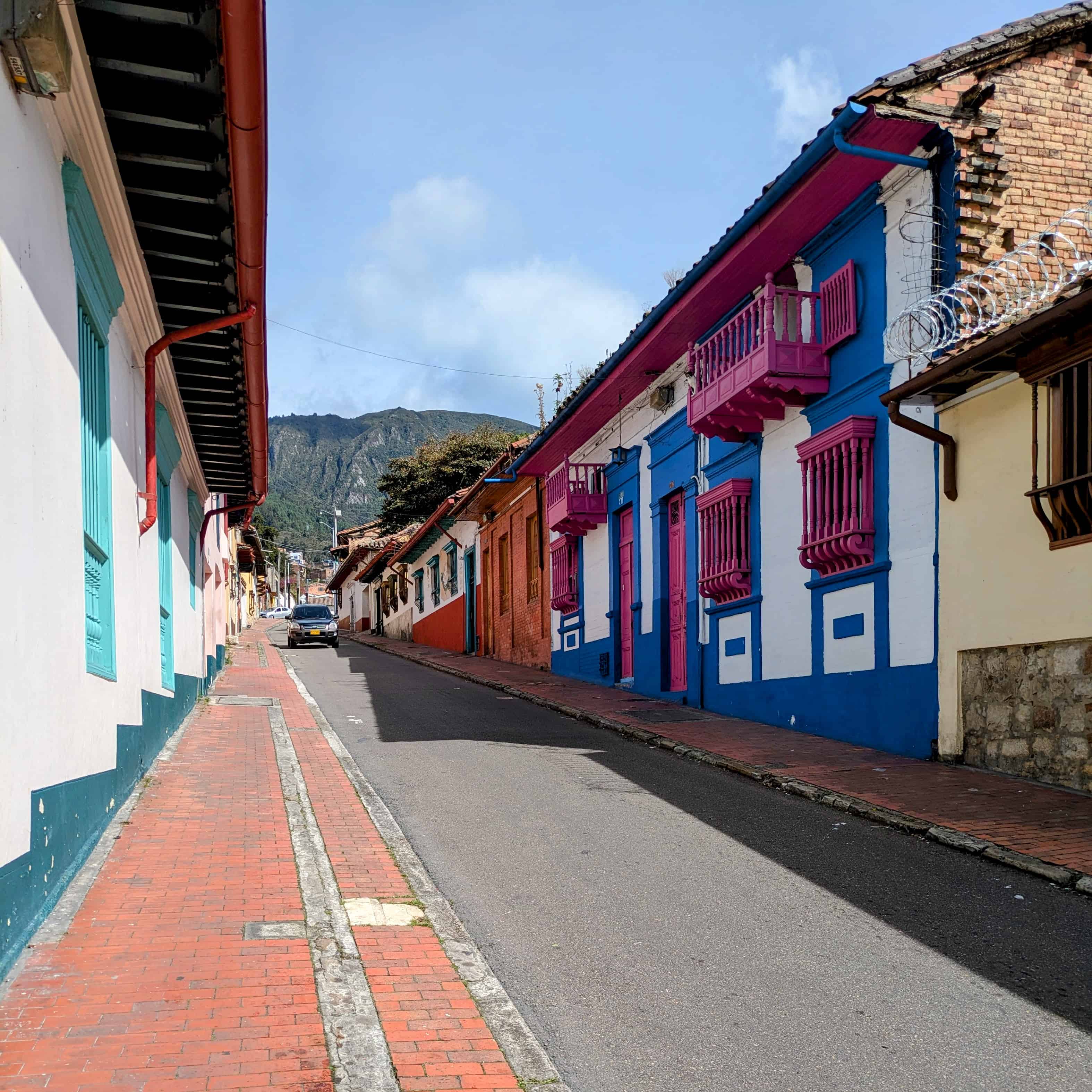
Salvador is divided into two parts. The Cidade Alta (Upper Town) is a place where buildings, painted in hues that would make a rainbow seem positively drab, cling to the hillside. And from this height, one can, if so inclined, gaze upon a view that might, for a moment, distract one from the sheer number of things they should be doing instead. Then there is the Cidade Baixa (Lower Town), a place of commerce, where vibrant markets hum with the sounds of bartering and the port that seems perpetually busy.
In the heart of the city, one finds the Pelourinho, a UNESCO World Heritage Site that whispers tales of the past. Here, you’ll find ornate churches adorned with gold leaf, their facades weathered by time and sun. You’ll wander through narrow alleyways, where colorful houses lean against each other, their walls adorned with intricate tilework.
Salvador comes with a heartbreaking history of the African slave trade. But it is the world capital of Afro-Brazilian culture, a city alive with music, dance, one of Brazil’s best Carnivals, and a unique feeling that permeates every aspect of life.
Pelourinho, beaches, and isolated areas are best avoided after dark. Prudence, that oft-overlooked virtue, suggests one remain in well-lit and populated locales. After all, who knows what lurks in the shadows? Probably something unpleasant.
What to See and Do in Salvador
If I might be so bold, may I suggest the following as some of the more notable ways one could occupy their time in Salvador:
- Visit Largo do Pelourinho: This triangular cobblestone plaza, once a site for punishing enslaved people was transformed after the abolition of slavery in 1835. It fell into disrepair but was restored in the 1990s to its former glory so much so that it became the set of a Michael Jackson music video. Today, it stands as a vibrant symbol of Salvador’s resilience, where the shadows of the past are overshadowed by the lively atmosphere enjoyed by tourists and locals alike.

- Visit the Casa do Carnaval da Bahia Museum: A place of vibrant costumes and rhythmic echoes that stands as a curious testament to the city’s celebrated, and often bewildering, Carnival. Within its walls, one finds an array of glittering garments, peculiar masks, and recordings of delightful music. This museum, a repository of sequins and drumbeats, displays the history and traditions of Carnival, which, like many things in life, is both dazzling and, upon closer inspection, rather perplexing. Regular admission is R$20.

- Get some fitinhas from Igreja Nossa Senhora do Bonfim: A church of such purported sanctity that one might suspect a little cachaça has been added to the holy water. This edifice, draped in fitinhas (ribbons of every conceivable hue) is said to possess miraculous powers. One approaches it with a sense of trepidation, not unlike that experienced when encountering a particularly enthusiastic street vendor offering suspiciously cheap acarajé. Admission is free, and I don’t know if there’s a set price for fitinhas, but I was charged R$10 for 10.
In Candomblé (an Afro-Brazilian religion popular in Salvador), Nosso Senhor do Bonfim (Our Lord of the Good End) is syncretized with Oxalá, the highest deity in the Candomblé pantheon. This blending of faiths makes this church a crucial spiritual site for many people. Pilgrims arrive in droves, their faces a mixture of fervent belief and the sort of bewildered exhaustion one might expect from a long journey involving unreliable transportation and questionable snacks.
Pilgrims acquire fitinhas, often from vendors who seem to materialize from thin air, and then tie them to their wrists. It is said that making three knots, and then making a wish for each knot, will bring about a favorable, if perhaps slightly delayed, outcome. One then waits for the ribbon to fall off naturally, at which point, one hopes, the wishes will be granted.

- Visit Forte de Santo António da Barra: One might approach this bastion, built in 1698 and perched precariously on the edge of Salvador, with a sense of hopeful anticipation, only to find the cannons, like forgotten cutlery, rusting in the salty air. The lighthouse is South America’s oldest, a solitary eye blinking warnings into the vast, indifferent ocean. And within its walls, one will find a nautical museum showcasing displays from the days of Portuguese seafaring and slave trade. One can almost hear the echoes of countless, mildly disappointing sieges. Regular admission is R$20.

Should this list of activities prove insufficiently distracting, here’s a more extensive list of things to do in Salvador, Brazil.
Getting to Salvador
Fly: Salvador International Airport (SSA/SBSV) is located 30km east of Salvador’s city center and offers domestic flights as well as international flights to cities such as Miami, Lisbon, and Buenos Aires.
Bus: Salvador’s bus station is 8km east of the city center.
Drive: Renting a car is generally inadvisable due to notoriously dangerous conditions. BlaBlaCar is a ride-share service that you can use as an alternative to get between cities.
Getting Around Salvador
From the Salvador International Airport:
- Bus: The Transalvador Buses provide transportation to the main tourist sites.
- Metrô: The Metrô will take you as far as Lapa Central Station. If you are staying in the Pelourinho, you will need to transfer to a bus or taxi from there.
- Taxi: A taxi to the Pelourinho will take around 40 to 60 minutes. Pay in advance (around R$140) at the official Taxi Coometas stands.
- Rideshare: Uber or 99 (Android / Apple) are also available for about half the price of a taxi.
Walk: Walking is a great way to explore Salvador but be aware of your surroundings and avoid walking at night.
Bus: Salvador’s buses are the city’s most popular and cost-effective transportation option, despite being inconsistent and occasionally frustrating. Schedules and fares can be found on Google Maps.
Metrô: The Metrô may occasionally also be convenient. Schedules and fares can be found on Google Maps.
Public elevators: Look for public elevators such as Elevador Lacerda, Plano Inclinado Gonçalves, which both cost up to R$0.15 to ride, while others are free.
Taxi and rideshare: Taxis have two payment options: metered (legal) or negotiated, but you might not be able to choose between them. Uber or 99 (Android / Apple) are also options, with 99 being by far the cheaper of the two.
Scooter and bikeshare: Itau bikes and Jet scooters can be found in certain parts of the city. The Itau bikes can also be accessed using the Uber app.
Ferries: Catch a ferry from Ferry Terminal Marítimo de São Joaquim to Bom Despacho Ferry Terminal. From there, you can get to nearby Valença, Morro de São Paulo, and Boípeba if you desire to explore beyond Salvador.
Where to Stay in Salvador
When it comes to accommodations in Salvador, you’ll most likely want to stay in the Pelourinho district (Salvador’s old town) for easy access to tons of restaurants, bars, and attractions. Another great option is to stay in Santo Antônio for a quieter stay, possibly with excellent sunset views. Find a hotel that’s in your price range, with the amenities you want.
- We stayed at the Pousada da Mangueira which we liked for its pool, free breakfast, and convenient location, but it was otherwise unremarkable.
Where to Eat in Salvador
Salvador is a food city so be sure to at least try moqueca and acarajé. It would be a pity, though not entirely unexpected, if you were to depart Salvador without having sampled food from Restaurante Origem and Antique Bistrô. If you’re looking for more, here’s my full list of foods to seek out and places to eat and drink in Salvador de Bahía.
Take a look! This article is now featured on GPSmyCity. To download this article for offline reading or create a self-guided walking tour to visit the attractions highlighted in this article, go to Walking Tours and Articles in Salvador.
And so, having considered the various facets of Salvador de Bahía – the vibrant hues that assault the eye, the rhythmic sounds that assail the ear, the peculiar aromas that are mostly of a pleasant nature – one must decide if a visit is even a good idea. I hope you’ve enjoyed this Salvador travel guide. If you’re looking for more, here’s everything I’ve written about Brazil.



Leave a Reply