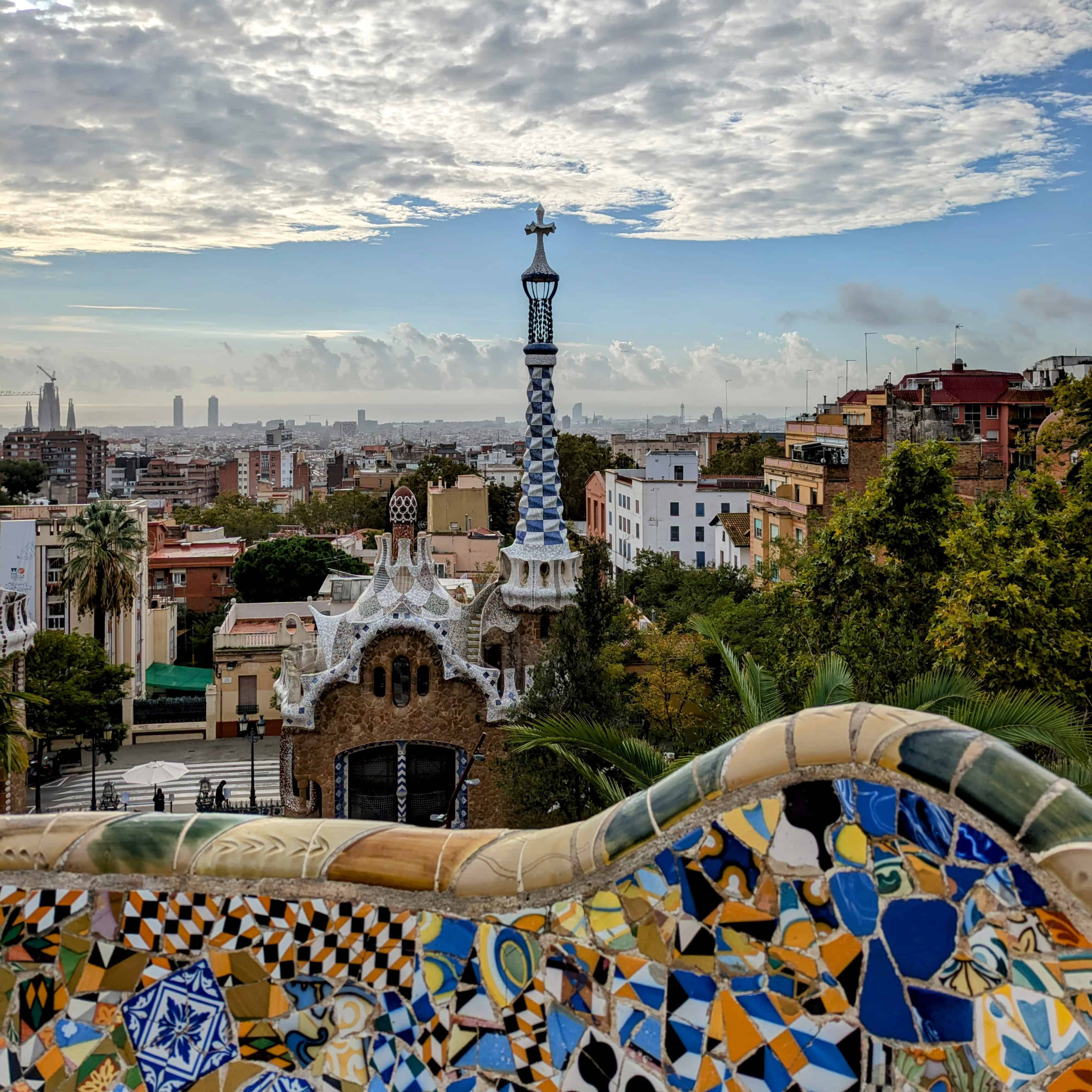
Ah, Spain. A land of sun-drenched plazas, questionable bullfighting traditions, and an alarming abundance of tapas. At least that’s what I observed when I was there for three weeks in October.
Spain can be a rewarding destination for the intrepid traveler. However, it can also be fraught with perilous events, waiting to happen. Unless, of course, you are equipped with the proper knowledge. Here are my 10 tips for planning a trip to Spain.
This post contains affiliate links and I may earn a small commission when you click on the links at no additional cost to you. As an Amazon Affiliate, I earn from qualifying purchases.
- As with other Schengen destinations, if you have a Canadian, US, UK, Australia, New Zealand, or EU passport, that’s all you’ll need to visit for up to 90 days. Just make sure your passport expiry date is at least three months after your intended departure date from the Schengen area.
- Getting tickets weeks or months in advance is almost essential if you want to see the Alhambra in Granada, and Sagrada Familia, Park Güell, Casa Milà, and Casa Batlló in Barcelona. Getting tickets in advance for the Royal Alcázar in Seville, and the Prado Museum and Royal Palace in Madrid will save you significant wait times.
- Omio is an excellent website and app for comparing bus, train, and flight schedules and prices for travel around the country. It is a good idea to book transportation at least a day in advance although even earlier is better and often cheaper.
- Having a car can be helpful for visiting mountain regions, the countryside, and some coastal areas, but is extremely cumbersome in cities. If you decide to rent a car, an International Driver’s Permit is technically required unless you’re a UK or EU citizen, although this requirement is not always enforced.
- Bolt, Uber, and Free Now rideshares operate in several Spanish cities so they’re good apps to have downloaded. For bike-sharing and electric scooters, RideMovi, Lime, and Lyft are good apps to have.
- Pack good walking shoes and anything you need to protect yourself from the sun. But also pack warm clothes. Spain is somehow much cooler than one expects.
- Pack a travel adapter for type C and F outlets (2 round prongs) or consider getting an international travel adapter.
- Credit cards are widely accepted. ATMs are readily available to get some Euros when you need them for tips and other small charges. A service cost is occasionally included in the bill at restaurants but otherwise tipping isn’t expected. However, if the service was good, feel free to tip 10-15%. Same goes for taxi drivers and concierges. For bellhops, maids, bathroom attendants, doormen, etc, 1 Euro is a good tip.
- Water in most parts of Spain is safe to drink, however the taste varies. Pack a water bottle with a built-in filter or if you prefer bottled water, buy large water jugs to refill your refillable water bottle.
- Expect to eat late. Most restaurants in Spain don’t open for dinner until 8 p.m. so make sure that you plan to have an afternoon snack.
I hope you’ll find these tips useful in planning your own trip to Spain. Want more? Here’s where you’ll find everything I’ve written about Spain.



Leave a Reply