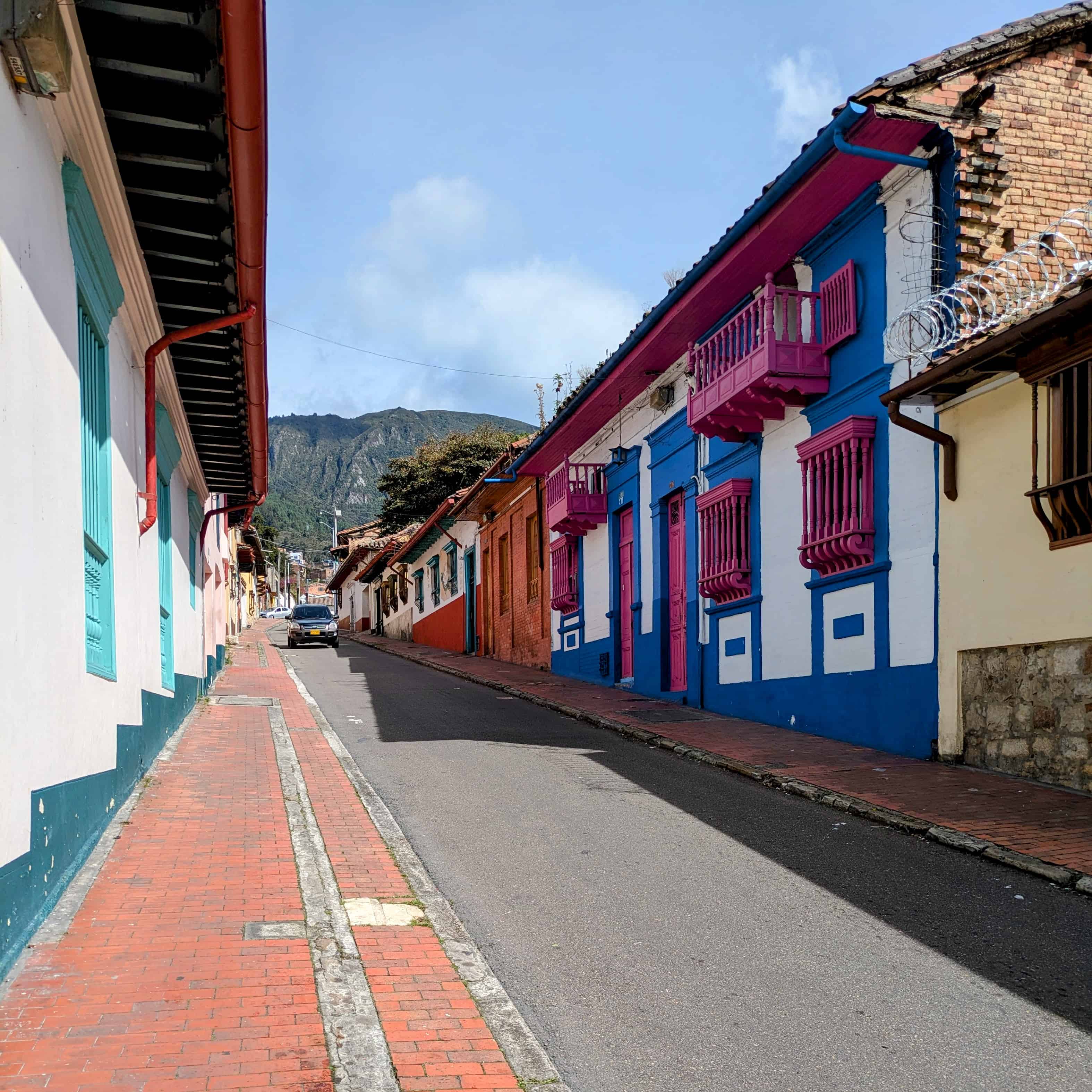
If you’re looking for tips for planning a trip to Colombia, you’ve obviously come to the right place.
This post contains affiliate links, and I may earn a small commission when you click on the links at no additional cost to you. As an Amazon Affiliate, I earn from qualifying purchases.
- When traveling from the US, Canada, the UK, and a hundred or so other countries, no visa is required for stays up to 90 days. A passport is required and it must be valid for the duration of your stay (or possibly 6 months) and it must have one blank page. Colombia may deny entry without a return ticket, so it’s best to have that too.
- Make sure you’re up to date on all of your routine vaccinations, in addition to getting vaccinated against Hepatitis A, Hepatitis B, Typhoid, and Yellow Fever. Additional vaccines may be recommended depending on your specific risk factors, so check the CDC Traveler’s Health page for Colombia or another reliable source for up-to-date info. A Yellow Fever vaccine is required for travelers coming from certain countries or visiting certain national parks. For more information, visit the Government of Colombia’s Health Ministry webpage.
- It is possible to get around Colombia by bus, but major cities are far from one another, so flights can come in handy. Search Google Flights to find the best flights, but also check directly with Satena and EasyFly for budget flights.
- Bus is the main mode of transport around Colombia, but there are a few things to keep in mind. Expect the buses to be very cold and very loud. Pack enough food and drink to get you through the trip, be prepared with anti-nausea medication, keep valuables where you can keep an eye on them, and keep your passport handy for ID checks along the way. Check Expreso Bolivariano and Flota Occidental for bus schedules.
- While taxis are available, ride-share apps like Uber and Cabify are generally cheaper and more widely used in major cities. If you opt for a taxi in rural areas, ensure the meter is running or agree on a fare before getting in.
- Colombia uses Type A and Type B electrical outlets, which are the North American standard. If you’re traveling from North America, you won’t need an adaptor; otherwise, consider getting an international travel adapter.
- Credit and debit cards are accepted at most hotels, restaurants, and stores.
- ATMs are readily available if needed for tips and small purchases; look for those inside bank branches. At restaurants, an optional 10% tip is often added to the bill – you can ask for it to be removed if you were disatisfied with the service, or you can ask to modify the amount.
- Tap water is considered safe in most Colombian cities, but stick to purified water in smaller towns and rural areas. Pack a water bottle with a built-in filter to reduce waste and ensure your water is always safe.
- Mosquitoes are common in hot and humid parts of Colombia and can carry diseases like malaria, yellow fever, dengue fever, and Zika. It is crucial to use a strong insect repellent, and you might want to consider taking malaria prophylaxis medication depending on exactly where you’ll be traveling.
- Do not flush toilet paper. Put it in the bin beside the toilet.
- Be careful not to walk alone at night and avoid displaying expensive electronics and jewelry, as petty crime is widespread throughout Colombia. Don’t resist if someone points a gun at you and asks you to turn over your possessions. Be careful accepting drinks, cigarettes, or sweets from strangers.
These are the tips I found helpful in planning my trip to Colombia, but please share anything you’d like to add.
I hope you found these Colombia trip planning tips helpful. If you’re looking for more, here’s where you’ll find all of my posts about Colombia.



Leave a Reply