If you are the sort of person who finds solace in a precisely arranged plate of coxinha, or perhaps one who derives a peculiar satisfaction from the delicate balance of a feijoada, then you may find yourself, quite by accident, interested in the culinary landscape of São Paulo. This sprawling city, a veritable labyrinth of concrete and clamor, is also, it happens, a place where one may encounter a surprising number of establishments dedicated to the preparation and consumption of food. It is a city where, on any given street corner, one might stumble upon a pastel-colored storefront emitting the tantalizing aroma of pão de queijo, or find oneself inadvertently drawn into a bustling market where fruits of unimaginable hues are displayed with an almost suspicious abundance. In São Paulo, the act of eating has been elevated to something approaching a preoccupation. And so, dear reader, we shall embark on a brief exploration of the restaurants of São Paulo.
I must warn you, dear reader, that no matter how casual or unpretentious a São Paulo restaurant claims to be, you should always be prepared for a prolonged dining experience.
Best Restaurants in São Paulo
Should you, for some reason, find yourself in the bustling city of São Paulo, and further, should you develop an inexplicable craving for sustenance, it is recommended that you find time to eat at Jiquitaia, Tordesilhas, A Casa do Porco Bar, D.O.M., and Castelões Cantina & Pizzaria.
São Paulo Local Specialties
Here are some traditional foods you should look forward to, seek out, and try when you visit São Paulo.
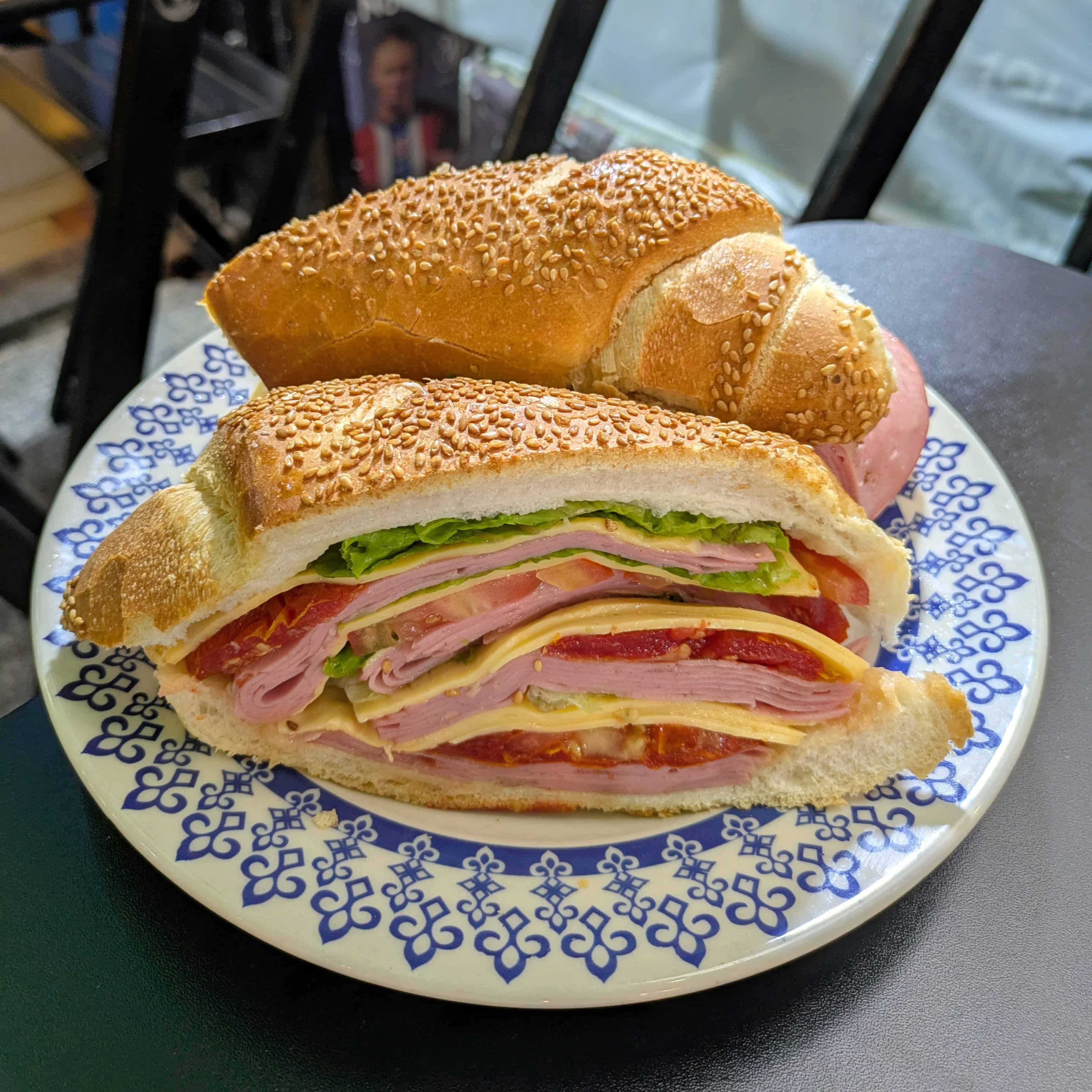
- A Sanduíche de Mortadela (Mortadella sandwich) is a monument of predictable excess. The mortadella arrives in alarming abundance, presenting itself in layers so numerous they verge on the architectural. The bread is a soft, sturdy roll that performs its duty with quiet competence. There is often provolone cheese added, and possibly dijon mustard, mayonnaise, lettuce, tomato…. It’s a surprisingly honest culinary expression, a hefty presence that brings a peculiar sensation of fullness that might necessitate a significant nap thereafter.

- A Bauru is a sandwich composed of a hollowed-out French roll, filled with roast beef, mozzarella cheese melted in a bain-marie for extreme gooiness, and precise slices of tomato and dill pickles.
- A Beirute is a popular Brazilian sandwich with a distinct Lebanese influence and a flavor of international intrigue. Its most notable departure from the familiar is its use of pita bread. Inside this pliable, unsettlingly flat bread, one often discovers slices of roast beef, (or other meats), melted cheese, lettuce, sliced tomatoes, and often a fried egg and mayonnaise.

- Virado à Paulista is a hearty Brazilian meal, traditionally served on Mondays. It involves black beans which are mashed and thickened with cassava flour, accompanied by a pan-fried pork chop, fried sausage, sautéed collard greens, a fried egg, crispy pork rinds, and often fried banana or plantain slices, all served alongside white rice. To partake in Virado à Paulista is not merely to eat; it is to engage in a committed act of consumption.
- Quindim is a Brazilian baked confection with Portuguese heritage. At its core, this dessert is a rather unsettling mixture of sugar, egg yolks, and ground coconut. It is a custard and is usually served as an upside down cup with an intensely yellow colour akin to that of a warning label.
- Coxinha is a teardrop-shaped Brazilian snack. A protective shell of fried dough encases the creamy, savory interior, where a tender chicken filling mingles with the dough.

- Pizza Paulistana is a unique to São Paulo pizza known for its abundance of unique toppings and soft and fluffy crust. So vast is the appetite for pizza here, so numerous are the slices devoured with an almost alarming regularity, that São Paulo is often considered to be second only to New York City itself in the sheer, undeniable volume of daily pizza consumed.
Traditional Restaurants in São Paulo
- D.O.M. – A culinary establishment of considerable repute that distinguishes itself through its innovative approach to Brazilian cuisine, employing native ingredients, particularly those sourced from the Amazon rainforest, to create modern and refined dishes. This restaurant has garnered numerous accolades, including Michelin stars, and consistently ranks among the world’s finest.
- Balaio IMS – This casual diner offers a modern take on northeastern Brazilian cuisine, often featuring dishes and cocktails with a contemporary twist.
- Jiquitaia – Jiquitaia is a no-frills restaurant known for utilizing native ingredients and traditional cooking techniques, bringing the flavors and culinary heritage of indigenous communities to a contemporary dining setting. They also have an excellent curated list of cachaças.


- Tordesilhas – A Michelin-guide restaurant that celebrates traditional Brazilian cuisine, with a particular focus on regional home-style dishes and historical culinary influences. It offers a menu that reflects Brazil’s rich gastronomic heritage served in a contemporary, sophisticated setting.
- Corrutela – This restaurant emphasizes sustainable and seasonal cuisine, focusing on farm-to-table principles and minimizing food waste. Look for unusual combinations such as garum marinated eryngii mushrooms, paired with cashew nut cream and fried peanuts; or a soup au pistou with shrimp and chayote, a traditional Brazilian pairing.
- Chou – Known for its contemporary and seasonal approach to cuisine, often featuring dishes with a focus on fresh, locally sourced ingredients. The vibe is casual and homey with a great patio. Look for bold dishes like cassava cooked over charcoal with sea salt and fresh marjoram; fresh clams and orzo pasta with preserved lemon; and grilled octopus with sweet paprika and lemon.
- Pastel da Maria – A beloved institution, renowned for its exceptionally large and generously filled pastéis with a wide array of fillings ranging from traditional meats and cheeses to more creative and gourmet combinations. Look for the stand at Feira do Pacaembu in the Praça Charles Miller square on Tuesdays, Thursdays, Fridays, and Saturdays.
- A Casa do Porco Bar – A popular and acclaimed casual dining establishment centered around pork-centric cuisine. Look for a variety of dishes that showcase the versatility of pork, from sandwiches and small plates to more substantial meals.

- AE! Café & Cozinha – This Michelin-recognized restaurant offers a warm, unpretentious dining experience. Its commitment to sustainable practices shines through in a seasonal menu that evolves with fresh, local ingredients. Beyond the regular menu, they feature a weekday “executive” lunch and weekend breakfasts.
- Charco Restaurante – A modern, ingredient-driven restaurant that emphasizes open-fire cooking inspired by gaúcho culture. It focuses on using high-quality, seasonal ingredients, often sourced from local producers, and prepares them with a focus on simple, yet flavorful techniques. The restaurant’s ambiance is typically rustic-chic and the menu includes items such as lightly smoked mushrooms, delicate vegetables, and southern-style charcuterie.
- Bar e Lanches Estadão – A classic, 24-hour diner in downtown São Paulo, renowned for its iconic pernil (roast pork) sandwich. It’s a beloved institution, drawing locals and tourists alike with its unpretentious atmosphere and hearty, traditional fare.
- Buteco de Minas SP – Rua Augusta – A place where one might encounter the robust, often heavy, and perpetually intriguing cuisines of Minas Gerais and São Paulo. It is a buteco for those who prefer their culinary experiences to be as boisterous and their portions hearty.

- Tabuleiro do Acarajé – A tiny counter selling perfect acarajé.
- Mocotó – Bar e Restaurante – Celebrated for its authentic cuisine from the Sertão region, in the Brazilian Northeast. Mocotó masterfully blends traditional flavors with innovative culinary techniques. It is highly regarded for its delicious and accessible dishes, earning recognition from prestigious guides like Michelin and consistently ranking among Latin America’s best restaurants. It offers a casual and welcoming atmosphere, making it a beloved destination for both locals and visitors.
- Maní – This Michelin-starred restaurant blends traditional Brazilian ingredients and flavors with modern culinary techniques, resulting in innovative and visually stunning dishes. The menu features dishes like creamy mullet bottarga served with corn cream, pancetta, and katsuobushi, as well as goat slow-roasted in turmeric leaves, served with a flavorful broth and marinated shiitake mushrooms.
- Churrascaria Rodeio – Haddock Lobo – This is a well-established and highly regarded churrascaria (Brazilian steakhouse). It offers a traditional churrasco experience, featuring a wide variety of high-quality grilled meats served rodízio-style, meaning servers continuously bring skewers of meat to the table.
São Paulo Spots Good For Drinks
- Bar dos Arcos – A stylish and sophisticated bar known for its creative cocktails and elegant atmosphere. The bar occupies a beautifully restored space in the basement of São Paulo’s Municipal Theatre, offering a unique and historical setting. It features a diverse menu of classic and contemporary drinks, often incorporating Brazilian ingredients and flavors.


- Bar da Dona Onça – A beloved boteco (traditional Brazilian bar) that offers a vibrant and authentic dining experience. It’s known for its classic Brazilian comfort food and perfect caipirinhas, served in a lively and unpretentious atmosphere. The bar is a popular gathering spot for locals and visitors alike, offering a taste of traditional São Paulo cuisine.
São Paulo Spots Good for Sweets
- Confeitaria Marilia Zylbersztajn – A destination for those who appreciate the art of pastry and the pleasure of well-made sweets. Look for pie fillings like ricotta and ginger, or pear, cardamon, and pecan.
- Padaria Bella Paulista – A popular bakery and patisserie open 24 hours a day, catering to insomniacs and jet-lagged travelers. One might find an array of baked goods there, alongside pizza, ice cream, dreamy coffee, and countless other provisions.

Non-Traditional Restaurants
- Kan Suke – Intimate, Michelin-starred sushi bar.
- Evvai Restaurant – This restaurant concerns itself with the peculiar art of Italian-Brazilian gastronomy. Here, ingredients, both familiar and unexpected, are subjected to culinary manipulations of considerable intricacy. Look for the spaghetti with cauliflower.
- Tenda do Nilo – An authentic Egyptian dining experience in São Paulo, showcasing traditional Egyptian cuisine with dishes like koshari, falafel, muhammara, baba ganoush, and various grilled meats.
- Shin-Zushi 新寿司 – Considered one of the city’s most authentic and respected sushi establishments, known for its meticulous preparation, fresh ingredients, and adherence to classic Japanese culinary techniques.
- New Shin-la kwan – A well-regarded Korean barbecue restaurant in São Paulo. It offers a classic Korean barbecue experience, allowing diners to grill their own meats and vegetables at their table. The menu typically features a variety of meats, such as pork belly, beef, and chicken, along with an array of Korean side dishes (banchan) like kimchi, pickled vegetables, and other accompaniments.
- Izakaya Issa – Specializing in authentic izakaya-style dining. It’s known for its traditional Japanese dishes, focusing on fresh seafood, grilled meats, and a wide variety of small plates designed for sharing, perfectly complementing the izakaya concept.
- Castelões Cantina & Pizzaria – A traditional Italian dining experience. It’s known for its classic Italian dishes, including a variety of Neapolitan-style pizzas, pastas, and other Italian specialties. Order the house pizza.
Markets and Foodie Neighborhoods
- Mercado Municipal de São Paulo – A grand, historic public market and a true feast for the senses. Built in 1933, its stunning stained-glass windows and architectural grandeur provide a backdrop for a bustling marketplace filled with an astonishing array of fresh produce (sample anything that catches your eye), meats, cheeses, fruits, and gourmet foods. It’s a place where locals and tourists alike come to experience the vibrant culture of São Paulo, purchase unique ingredients, and eat at restaurants serving iconic Brazilian snacks like the mortadella sandwich and coxinha.


- Bom Retiro – A bustling and diverse São Paulo neighborhood known primarily for its strong concentration of clothing wholesalers and retailers, particularly those specializing in Korean and Jewish-influenced fashion due to its rich history of immigration. This blend of cultures has shaped Bom Retiro into a unique commercial centerwith excellent international cuisine. Should one find oneself in Bom Retiro on a Saturday, one might stumble upon the Feira do Bom Retiro. Pop up restaurants appear, as do food trucks, street vendors selling Korean products, local artisans, and K-pop performances. Should you require a specific navigational target, head to R. José Paulino.

- Liberdade – A vibrant São Paulo district renowned for being the city’s Japantown, and one of the largest Japanese communities outside of Japan. Liberdade offers a unique cultural experience, featuring streets lined with Japanese restaurants, shops, and cultural landmarks, including the iconic red torii gate. Should one have a particular fondness for crowds, and a stomach prepared for a variety of culinary offerings, the weekend mornings and early afternoons might prove fruitful. That is when the Feira da Liberdade occurs, and individuals arrive from various parts of the city to wander, eat, and, shop. Should you require a specific navigational target, head to Praça da Liberdade.

Don’t know where to start? A food tour is a great option that allows you to visit several São Paulo restaurants and try a number of different dishes over the span of a few hours. Here are a couple well-rated options.
Saúde!
I hope you’ve enjoyed this São Paulo food and restaurants guide. Here’s a link to save this list to Google Maps for later. You’ll find additional restaurants on the map that may be of interest if you happen to be spending an extended sojourn in São Paulo or if you’re staying in an entirely different part of town. If you want more, here’s everything I’ve written about Brazil.



Leave a Reply